

Rare Double Bioluminescence Lights Up Florida’s Space Coast Near Orlando
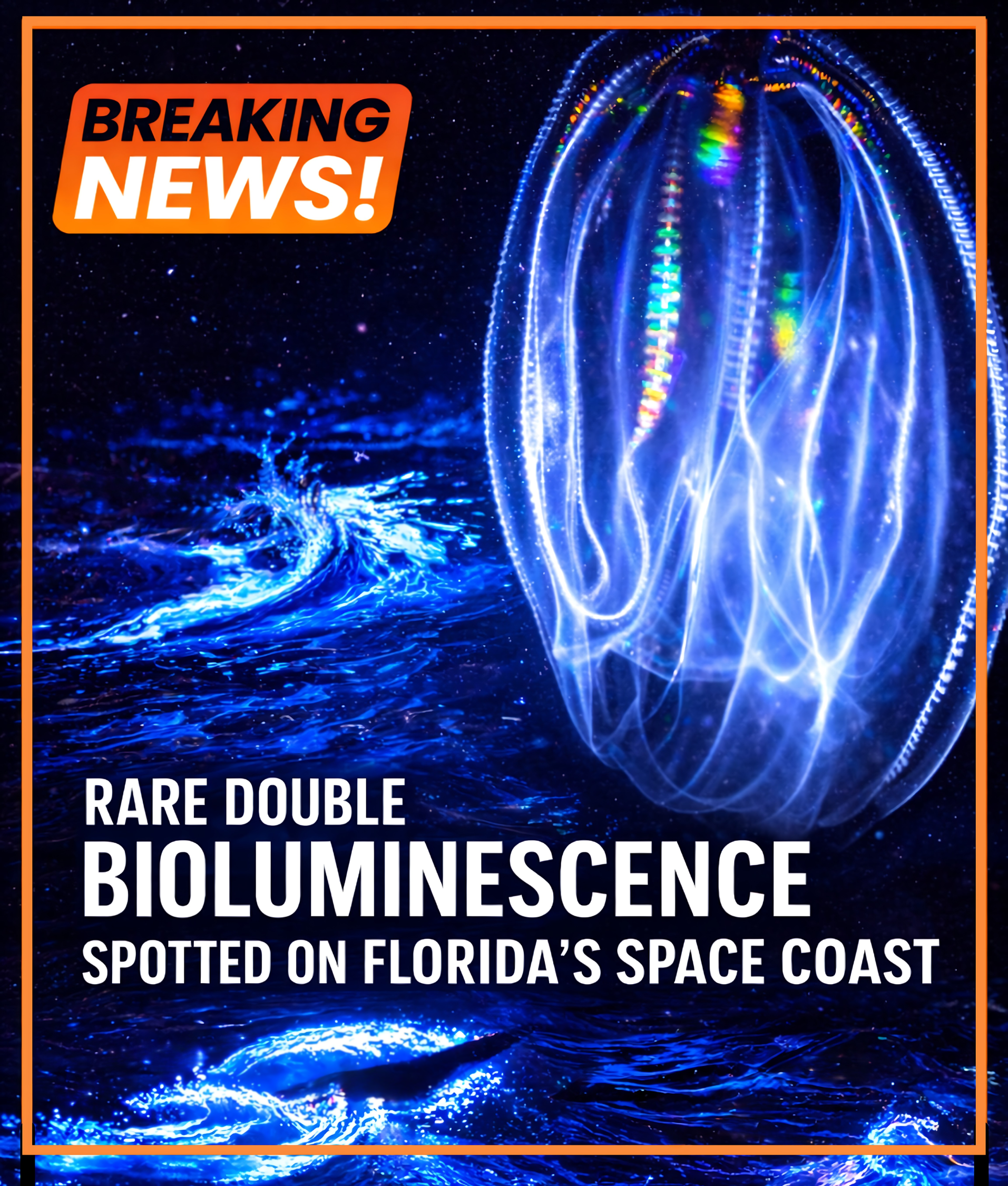
Breaking News! Bioluminescent double glow near Orlando, FL
Rare double glow appears in Merritt Island National Wildlife Refuge as comb jellies and early-season dinoflagellates illuminate Florida’s lagoon waters.
Seeing both types of bioluminescence at the same time is incredibly exciting! Together, the effect can feel like paddling through a sky full of stars.”
ORLANDO, FL, UNITED STATES, March 11, 2026 /EINPresswire.com/ -- A rare natural light show is currently illuminating the waters of Florida’s Space Coast. Guides and wildlife experts are reporting a simultaneous glow from two different types of bioluminescent organisms in the lagoons surrounding the Merritt Island National Wildlife Refuge, located about 40 minutes from Orlando.— Alfredo Rodríguez, BK Adventure Guest
The phenomenon occurs when bioluminescent comb jellies and bioluminescent dinoflagellates appear in the same waters at the same time. Tour guides refer to the unusual overlap as a “double bioluminescence glow.”
According to guides from BK Adventure, comb jellies are currently glowing at a 5 out of 5 intensity, creating brilliant rainbow flashes when handled. At the same time, early-season dinoflagellates are producing glow levels between 2 and 3 out of 5, already lighting up the water with electric blue flashes when the lagoon is disturbed.
Bioluminescence occurs through a natural chemical reaction within certain marine organisms. When movement disturbs the water, such as a paddle stroke, fish movement, or wave, these organisms emit light, often producing flashes of glowing blue.
The lagoons of Florida’s Space Coast are widely considered one of the best places in the world to see bioluminescence, thanks to the biodiversity of the Indian River Lagoon ecosystem, one of North America’s most biologically diverse estuaries.
The waters around the Merritt Island National Wildlife Refuge also provide habitat for manatees, dolphins, fish, and migratory birds, making nighttime wildlife tours a unique nature experience for visitors traveling to Central Florida.
While comb jelly season typically peaks during cooler months and dinoflagellate blooms are strongest in summer, overlapping conditions like this are relatively rare and unpredictable.
With spring break travel increasing and warmer temperatures returning to Central Florida, the glowing waters are attracting visitors searching for unique things to do near Orlando at night, particularly outdoor experiences beyond Florida’s theme parks.
The phenomenon is most visible in dark locations away from city lights, particularly in protected lagoon areas within the Merritt Island National Wildlife Refuge.
Experts say conditions such as moon phase, water temperature, and weather can influence how bright the glow appears, meaning opportunities to see both organisms glowing together may be limited.
About BK Adventure
BK Adventure offers guided nighttime kayaking and wildlife tours on Florida’s Space Coast near Cocoa Beach and Titusville. The company operates within lagoon waters surrounding the Merritt Island National Wildlife Refuge, where visitors can experience Florida’s famous bioluminescent glow.
More information:
www.bkadventure.com
Frequently Asked Questions About Florida Bioluminescence
Where can you see bioluminescence near Orlando?
The brightest bioluminescence near Orlando is typically found in the Indian River Lagoon near Merritt Island National Wildlife Refuge on Florida’s Space Coast.
What causes bioluminescence in Florida waters?
Bioluminescence is produced by marine organisms such as dinoflagellates and comb jellies through a natural chemical reaction that emits light.
When is the best time to see bioluminescence in Florida?
Dinoflagellates typically glow brightest during the summer months, while comb jellies are more common during cooler seasons. Occasionally, both appear together. Dark sky nights produce the brightest glow, especially around the new moon. See the New Moon Calendar: www.bkadventure.com/florida-bioluminescence-moon-calendar/
Why does the water glow blue at night in Florida?
When the water is disturbed by movement, microscopic organisms called dinoflagellates emit flashes of blue light, making waves and paddles glow.
Audra Espinoza
TripKee
+1 407-779-9883
email us here
Legal Disclaimer:
EIN Presswire provides this news content "as is" without warranty of any kind. We do not accept any responsibility or liability for the accuracy, content, images, videos, licenses, completeness, legality, or reliability of the information contained in this article. If you have any complaints or copyright issues related to this article, kindly contact the author above.
